

.jpeg)
.jpg)
.jpg)

Follow us on
The Christmas holidays bring together a familiar mix of tradition and consumption, and consumption that follows well-established rituals: chocolate, Christmas pudding, pigs in blankets, toys, and a long list of seasonal staples. For retailers, this period also concentrates one of the most powerful drivers of in-store performance: impulse purchases. In this article, we revisit three tactics that have historically proven effective at triggering last-minute buying decisions at the end of the year, and explore how they can be significantly enhanced when integrated into a data-oriented marketing strategy.
Impulse purchases are far from anecdotal. In this Geoblink by MyTraffic report Capitalising on Impulse Purchases of Consumer Goods, they accounted for up to 16% of total store sales, with the holiday season acting as a natural accelerator. December consistently stands out as the peak month for spontaneous spending, after all, few shoppers manage to buy gifts for everyone else without adding a “self-gift” to the basket. These decisions may feel instinctive, but they are often the result of carefully designed retail environments and timely stimuli.
Below, we outline three proven tactics that continue to drive impulse purchases during the holidays, and show how, when customised with local and behavioural data, they can deliver stronger, more consistent
1. Atmospheric marketing (creating an emotional connection)
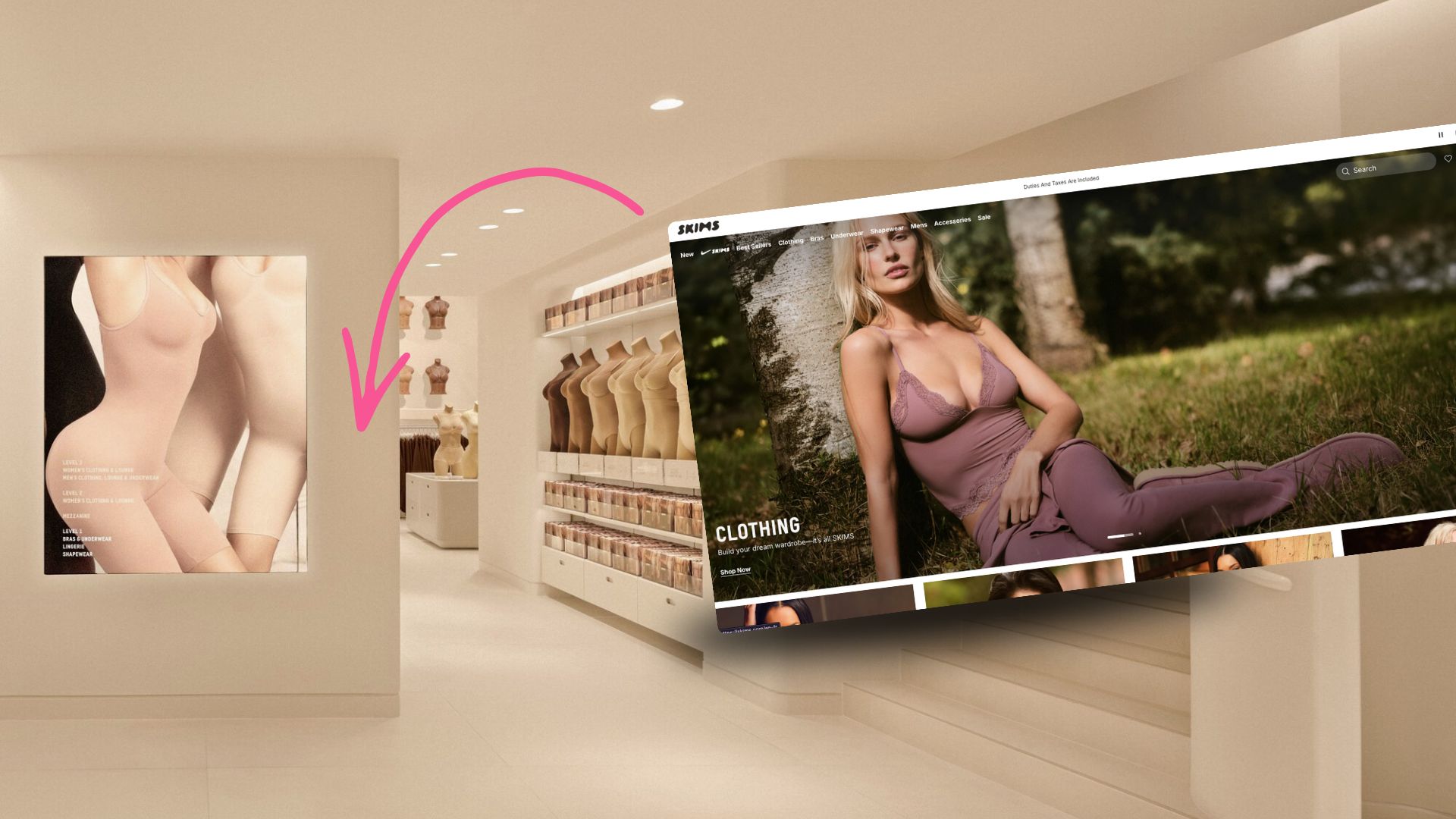
Creating a welcoming retail environment is not only a way to stand out from competitors, but also a powerful lever for influencing mood and purchasing behaviour. A well-designed sensory experience encourages shoppers to slow down, stay longer, and ultimately spend more as they move through the store. Music, lighting, scents, décor and visual cues all play a role in setting the tone: are you playing the right music to captivate your audience? Are you conveying the festive atmosphere they are looking for? Sometimes, a subtle scent of chocolate and cinnamon, warm lighting or carefully chosen decorations can be enough to tip a purchase decision.
Atmospheric marketing is far from a new concept. As early as 1998, research by Yoo, Park and MacInnis demonstrated that store design, lighting, music and decoration had a direct impact on consumers’ propensity to buy on impulse. This insight still holds true today. The difference lies in execution: the question is no longer whether atmosphere works, but whether it is being deployed in a way that truly reflects the audience of each location.
Impulse buying increases when the store experience reflects the people who shop there, not a one-size-fits-all audience.
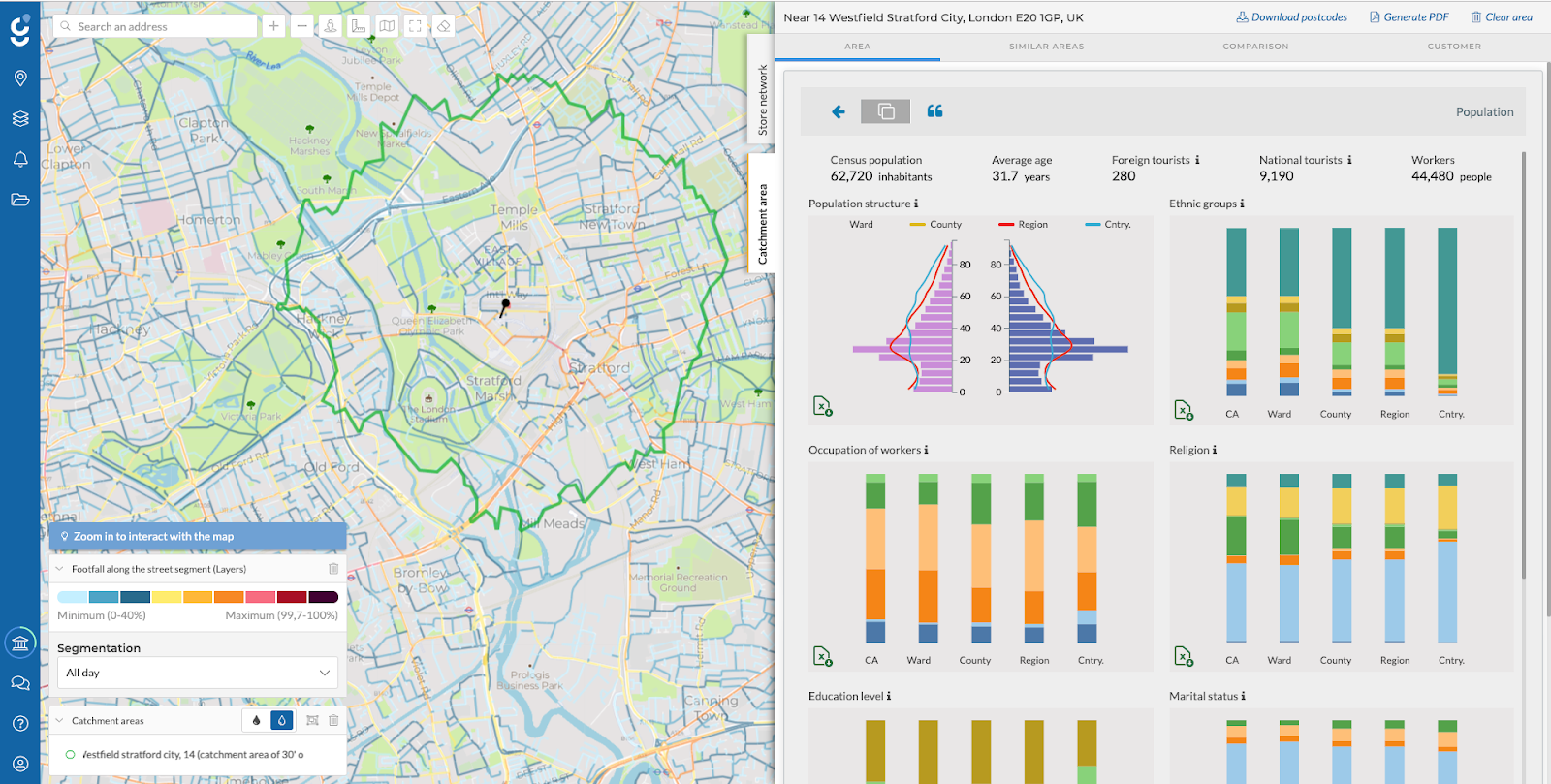
While it is relatively easy to imagine hyper-local ideas at store level, building a coherent brand strategy around them requires reliable, objective data. Understanding how people move around each store, where they come from, and what characterises them allows retailers to decide where certain atmospheres will resonate, and where they may fall flat. A modern Christmas playlist might work perfectly in one area, while a more traditional approach is better suited elsewhere.
Adapting the atmosphere to local taste goes beyond décor. The Italian wafer brand Loacker provides a clear example of how location influences preference: lemon-flavoured products perform better on the US East Coast, while bitter chocolate sees stronger demand on the West Coast. The opportunity lies in using this kind of insight not just to optimise product assortments, but to align the entire in-store experience with local expectations, and maximise the emotional triggers behind impulse purchases.
2. The offer of the day or week (creating buying habits)
Turning a single product into an “offer of the day” or “offer of the week” remains one of the most effective ways to trigger impulse purchases. The mechanics are simple: a limited-time deal creates urgency, while repetition builds habit. During the holiday season, when shoppers visit stores more frequently, rotating offers give them a reason to buy now, and to come back again. Retailers such as Lidl have long relied on this logic, pairing sharp prices with fast-changing promotions to increase basket size and repeat visits.
What has evolved is how this tactic is executed online. Platforms like Amazon have refined the concept with Lightning Deals, especially during peak periods such as Black Friday and Christmas. These time- and stock-limited offers are personalized based on browsing behaviour, making impulse buying both scalable and measurable, and reinforcing the idea that urgency works best when it is relevant.
Daily or weekly deals perform best when they are adapted to each location or audience. Generalised discounts dilute impact; targeted offers turn impulse buying into a repeat behaviour.
3. The checkout zone (because no one can avoid passing through)
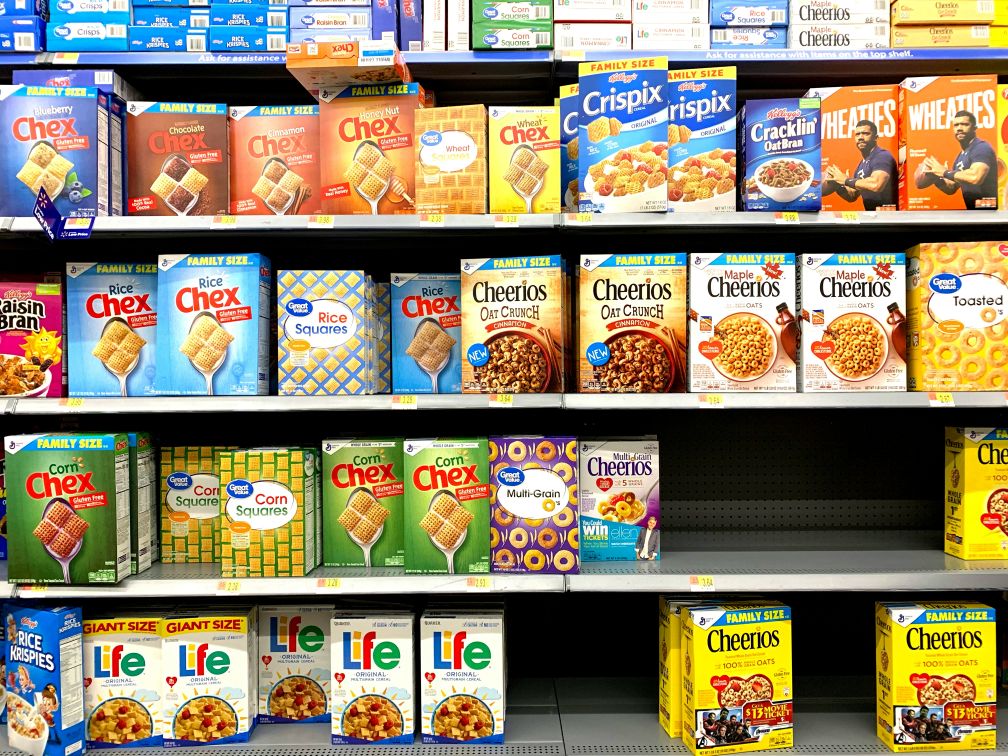
The space around the checkout remains one of the most effective impulse-buying hotspots in retail. Sweets and chocolates have earned their place there for a reason: they are easy to grab, immediately gratifying, and perfectly suited to last-second decisions. Few parents have made it through a checkout line without adding a pack of chewing gum to keep children occupied on the way home.
Yet not all stores attract the same shoppers, and not all checkout strategies should look alike. A location frequented by families will not respond to the same triggers as one serving office workers, students or tourists. Treating the checkout as a generic zone means missing an opportunity to adapt the offer to the audience that actually queues there.
Checkout merchandising should be both hyper-local and seasonal. Selling Panettone is easy; making it an impulse hit requires placing it in neighbourhoods where Italian traditions resonate.
What applies at Christmas holds true throughout the year. When retailers understand who their customers are and when they visit, they can turn waiting time into incremental revenue. During exam periods, for instance, energy drinks or snacks can perform exceptionally well near universities and libraries. Outside of strict seasonality, products that evoke familiarity or shared rituals, from festive desserts to aperitif ingredients, often trigger spontaneous purchases by tapping into emotion and nostalgia.
Ultimately, impulse tactics have not disappeared; they have become more precise. Promotions only work if the right audience is exposed to them, and stimuli only convert when they align with local expectations. Leveraging data to segment audiences and tailor execution at store level allows retailers to maximise the impact of every square metre, including the final metres before the till.
Turning impulse insight into action
Impulse purchases are not random. They are the result of context, timing and relevance. Throughout this article, one principle stands out: the same tactic can drive very different results depending on who is exposed to it and where it is deployed. Atmosphere, limited-time offers and checkout merchandising all work best when they reflect local audiences, seasonal intent and real visitor behaviour.
In practice, this means moving away from network-wide execution. A grocery chain can adapt festive assortments and checkout products based on neighbourhood profiles; a convenience retailer can rotate daily deals according to commuter flows and time of day; a fashion or beauty brand can align impulse offers with the demographics that dominate each catchment area. By using footfall and audience data to guide these decisions, retailers can transform impulse buying from a last-minute bonus into a repeatable, measurable growth lever, during the holidays and well beyond.
TL;DR
Encouraging impulse purchases during the holidays starts with being relevance. Retailers achieve the strongest results when they combine proven tactics, festive atmospheres, limited-time offers and optimised checkout zones, with local audience insight. By adapting each store’s execution to who actually visits, when they visit and what motivates them, brands can create timely triggers that feel natural rather than forced. The result is higher conversion, increased basket size and repeat visits throughout the holiday season.