





Follow us on
US retail formats are classified by their anchor, the large store that draws most of a center's shoppers, and by their trade area, the distance most of those shoppers travel. That's the logic behind the US shopping center classification published by the International Council of Shopping Centers (ICSC), the industry's trade body, and it's what a broker means when a listing says "neighborhood center" or "power center".
The label tells you who the center was built for, how far its customers drive and what kind of lease to expect. If you sell daily needs, coffee or quick food, start with neighborhood centers. If you're a premium brand, start with the best-performing malls and lifestyle centers, though you'll pay more there in rent and shared costs.
Whether you're opening a second location or expanding into a new state, the format is the first filter, because there's a lot of space to choose from. JLL calculated in 2015 that the US had about 23.75 square feet of retail space per person, so more centers compete for the same shoppers. A listing tells you what a center was built as, not who shops there now.
How the US classifies types of shopping centers
Sizes and rents in a listing are quoted per square foot of GLA, or gross leasable area: the floor space tenants actually rent, which is also the base used to split shared costs between them. When you read the table, start with the trade area column. It tells you how far your customers will travel, and so how many households need to live within that distance for the site to work.
Strip malls and neighborhood centers: where daily needs win
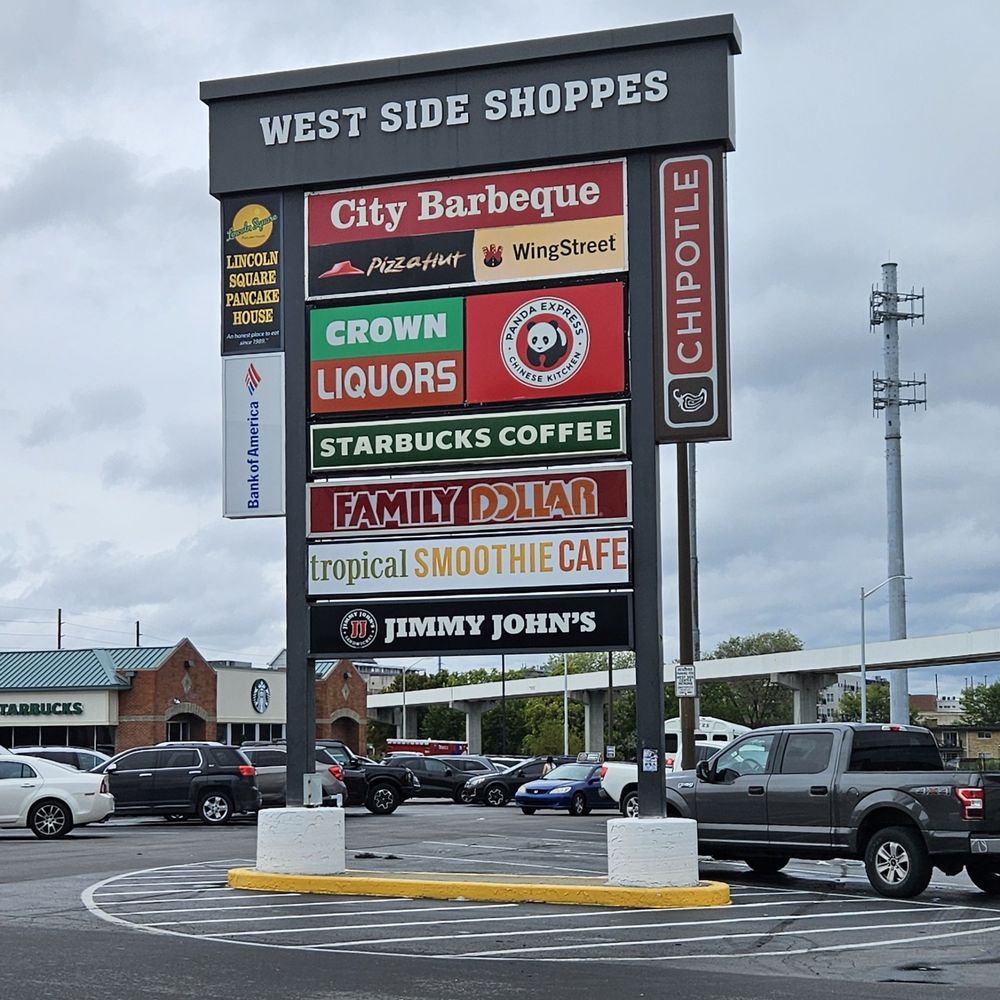
A strip mall, which ICSC calls a strip center, is an attached row of stores managed as one property, with parking in front. ICSC counted 68,936 of them in 2017, making it by far the most common US format, and it has held up well. A Newmark Research presentation from October 2026 puts strip center visits in Q2 2026 at 7.4% above Q2 2019, so a plain-looking strip can still be a busy site. Many strip malls also have pad sites, or outparcels: freestanding lots at the edge of the parking lot that landlords lease to drive-thrus, banks and coffee chains because they're visible from the road.
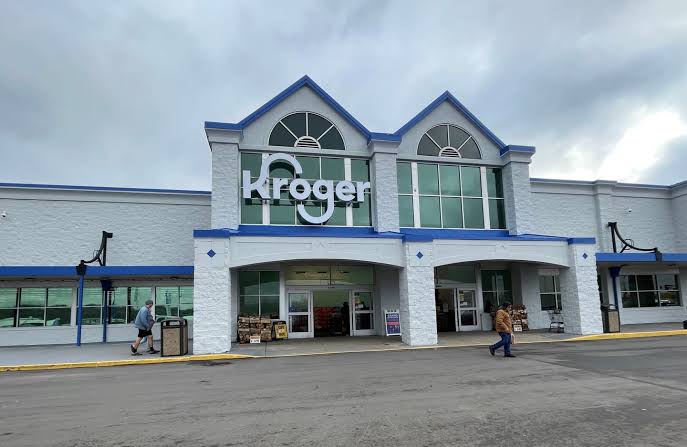
A neighborhood center is the same idea built around a supermarket. ICSC counted 32,588 of them, holding 30.8% of all US shopping center space, more than any other format. The supermarket brings people back several times a week, so the small units beside it get repeat visits they don't have to generate themselves. That makes these units popular. Grocery, discount, value and health-and-wellness retailers were driving the majority of leasing activity in Q1 2026, according to Cushman & Wakefield, so expect competition for the best units and less room to negotiate. If you're a specialty or small-format grocer, this is the format where you're most likely to be the anchor yourself, which gives you more say over rent.
Bakeries, coffee, pharmacies, fitness studios and personal services do well in both formats. Rents are usually lower than in malls, but the trade area is small, so the site only works if enough of your customers live or work within about 3 miles. That's the first number to check.
Community and power centers: the big-box formats
A community center is a larger neighborhood center with a wider apparel offer and anchors like discount stores, drugstores and large specialty retailers. It suits concepts that need parking and road visibility but can't justify mall rents, such as discount fashion, beauty supply, pet stores and family restaurants, where shoppers come for the anchor and add a second errand.
A power center is built around category-dominant anchors, the "category killers" in home improvement, electronics or sporting goods, plus warehouse clubs and off-price stores, which sell brand-name goods below full price. These anchors take most of the floor area and leave room for only a few small units. The mid-size boxes between the main anchors are called junior anchors, and if you're a furniture, sports or pet retailer, they're the units to look at first.
Shoppers arrive by car for a specific purchase, so a small unit between two big boxes only gets passing trade if those big stores attract the same shoppers you want. Power centers are also where space is freeing up fastest. JLL recorded negative net absorption of 2.3 million square feet at power centers in Q1 2026, meaning more space was vacated than leased, more than at malls or neighborhood centers. That gives you room to negotiate, but it's also a reason to check that the anchors next door are trading well before you sign.
Malls, lifestyle centers and outlets
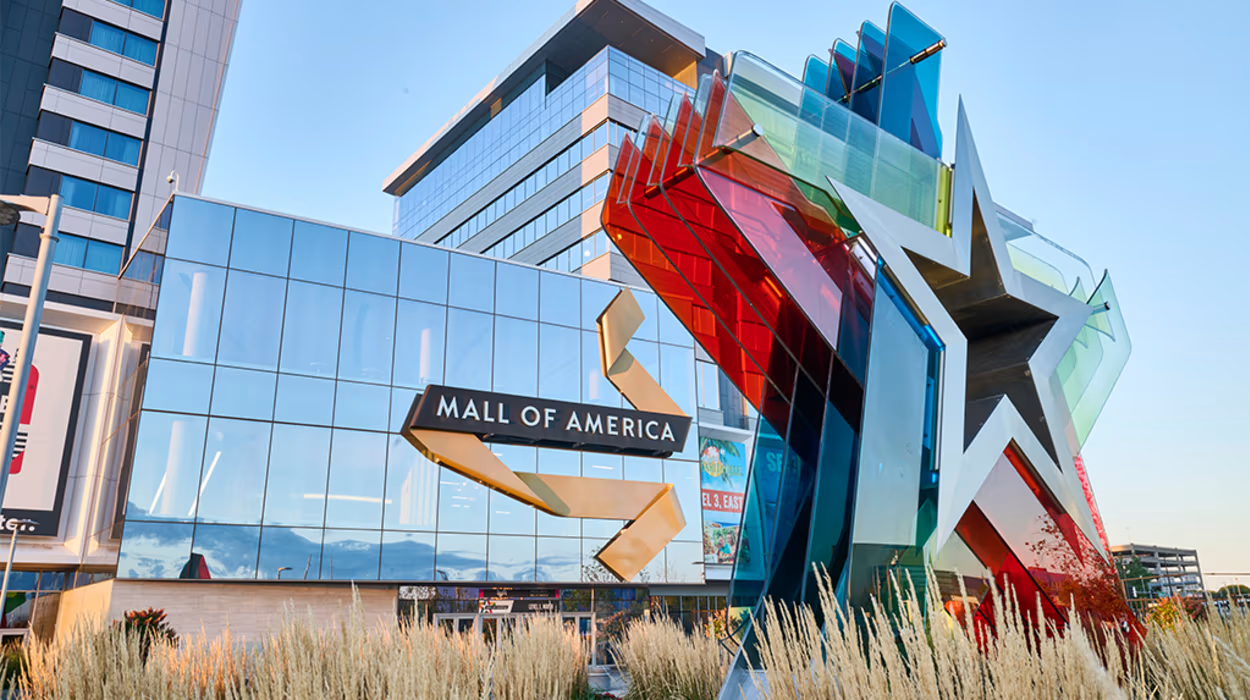
Regional and super-regional malls are usually enclosed, with parking around the outside. A super-regional mall costs more, but with three or more anchors and a 25-mile reach, it depends less on any one department store. Around 900 US malls are still open and about 200 have closed since 2008, according to Green Street figures in the Newmark presentation, and the ones left have split sharply by quality.
Investors grade malls from A++ down to C on sales per square foot and location, and the gap between grades is wide. Compared with 2019, visits in Q2 2026 were up 6.6% at A++ malls, flat at A malls (+0.3%), down 6.5% at B malls and down 15.3% at C malls, according to Newmark. A landlord won't volunteer that its mall is a C, so ask for sales per square foot and occupancy history, then check the traffic trend yourself.
A lifestyle center is an open-air center of upscale national-chain specialty stores mixed with restaurants and entertainment. Premium and direct-to-consumer brands often look at this format first, because the tenant mix tells shoppers who the brand is for. The catch is timing: restaurants and cinemas push traffic toward evenings and weekends, so a daytime concept can sit quiet for half the week.
Factory outlet centers, or outlet malls, draw from 25 to 75 miles, often from tourists and weekend trips, and suit premium brands with surplus stock to clear. They give you volume at a discount, but they train shoppers to expect lower prices, so keep an outlet far enough from your full-price stores that it doesn't pull their customers.
US retail lease terms that change the real cost
Shopping center leases are usually triple net. You pay base rent plus your share of three costs, worked out from how much of the center's space you rent: common area maintenance (CAM), the center's property taxes and the landlord's insurance. Cushman & Wakefield's Q3 2026 shopping center report puts the national average asking rent at $25.82 per square foot per year, from $19.96 in the Midwest to $30.43 in the West.
CAM covers shared costs such as parking lot repaving, snow removal, lighting and security. Some landlords add an administrative fee on top, and one sample clause sets it at 15% of CAM. Four other terms are worth knowing before you negotiate:
- A co-tenancy clause lets you pay reduced rent, or leave, if a named anchor closes or occupancy falls below an agreed level. Ask for one wherever your traffic depends on the anchor.
- An exclusive use clause stops the landlord leasing another unit in the center to a direct competitor, which protects you from a rival opening three doors down after you've signed.
- Percentage rent is extra rent equal to a share of your sales above an agreed threshold, called the breakpoint. It's common in malls and lifestyle centers, so negotiate a breakpoint high enough that you only pay it once the store is clearly profitable.
- A radius restriction bars you from opening another store within a set distance, which can block your second site in the same metro. Negotiate the radius down, or carve out the sites you already plan to open.
How to match your concept to a US format: a worked example
Take a bakery-café chain looking at a 2,500-square-foot unit in a new metro. The figures below are illustrative, so swap in your own listings.
Site A is in a supermarket-anchored neighborhood center at $30 per square foot in base rent plus $9 in NNN charges, which comes to $97,500 a year. It depends on households within 3 miles and on morning grocery runs.
Site B is in a lifestyle center at $50 per square foot in base rent plus $16 in NNN charges, which comes to $165,000 a year, and its lease adds 6% percentage rent above the breakpoint. It draws from 8 to 12 miles and peaks in the evenings and at weekends.
Site B costs $67,500 more each year, so it needs about 26 more paying customers a day to cover the difference. Here's how that adds up:
- At a 65% gross margin, minus 6% percentage rent, each extra dollar of sales keeps 59 cents.
- To cover $67,500, Site B needs about $114,000 more in sales a year, or $2,200 a week.
- At a $12 average ticket, that's about 180 more transactions a week, or 26 a day just for rent.
This assumes every extra sale lands above the breakpoint and leaves out the extra staff you'd need, so treat 26 a day as a minimum. That's the threshold to test. In Gini by MyTraffic, you can compare the traffic and catchment areas around both centers to see whether the lifestyle center reaches enough of your customers to be worth the extra risk.
Reading US retail formats before you shortlist
A center's format tells you who it was built for, how far its shoppers travel and which lease terms to expect. Match your concept to the trade area first, check the mall grade or whether the anchors are trading well, then ask for the actual NNN charges and the co-tenancy terms. When you shortlist two centers in the format that fits, compare their traffic and catchment areas with Gini by MyTraffic, so the lease you sign is based on who the site actually reaches.